

10 Must-Visit Travel Destinations Every Black Traveler Should Experience
Black History Month is more than reflection.
It’s about connection. Legacy. Identity. Power.
Travel allows us to walk through history, stand in spaces our ancestors shaped, and experience cultures that look like us, sound like us, and feel like home — even oceans away.
If you’re ready to travel with intention, here are 10 destinations every Black traveler should experience at least once.
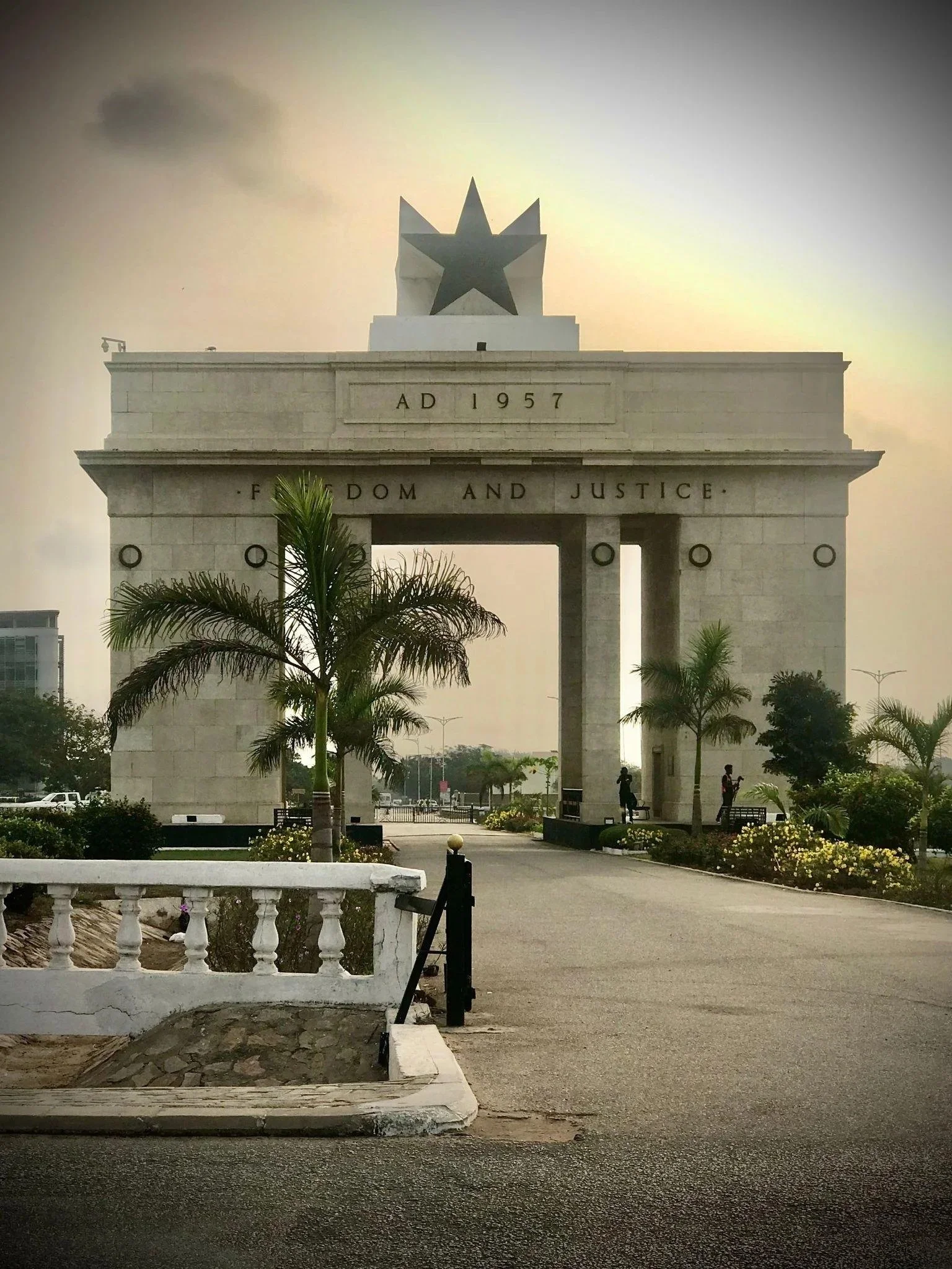
Ghana - A Journey of Return
The Ashanti Empire was one of the most sophisticated and politically organized empires in West Africa. Centered in Kumasi, the Asante built a structured government, a military power, and rich cultural traditions symbolized by the Golden Stool, representing the soul of the nation.
This was not a “tribe.”
This was an empire.
Understanding that shifts the narrative from victimhood to sovereignty.
Ghana’s coastline holds over 40 European-built forts and castles.
The most well-known are:
Cape Coast Castle
Elmina Castle
These structures were originally built to facilitate trade in gold and other resources. Over time, they became major holding sites for enslaved Africans before forced transport to the Americas. Inside the dungeons, men and women were confined for weeks or months. Above them, colonial officials lived comfortably — a stark physical reminder of power and brutality.
Walking through the Door of No Return is heavy. But walking back through it, as many diaspora visitors symbolically do, represents something different: return, survival, reconnection.
Ghana was the first sub-Saharan African nation to gain independence from colonial rule in 1957 under Kwame Nkrumah. Nkrumah was a strong advocate for Pan-African unity, inviting members of the African diaspora to see Ghana as home. That legacy continues today. In 2019, Ghana launched the “Year of Return,” officially inviting descendants of the diaspora to reconnect. It wasn’t just tourism; it was a political and cultural statement.
Beyond historical sites, Ghana’s identity is alive in:
Kente cloth (woven with symbolic meaning)
Highlife music and Afrobeat influence
Naming ceremonies
Vibrant art and entrepreneurial culture in Accra
This isn’t a place frozen in history.
It’s modern, confident, creative Africa.
Why It Matters
Ghana holds both trauma and triumph.
It is a place where you confront the brutality of the slave trade and also witness African sovereignty, resilience, and global leadership.
Visiting Ghana with awareness reminds you:
Africa was never empty.
Never primitive.
Never without power.
It was organized. Brilliant. Influential.
And it still is.
Ghana isn’t just a trip — it’s a spiritual experience.
Visit Cape Coast Castle and Elmina Castle, walk through the Door of No Return, and reflect on the strength of those who endured the unimaginable.
Accra brings modern energy, nightlife, art, and pride. Many travelers even participate in a name ceremony — reclaiming identity and legacy.
This is emotional. Transformational. Unforgettable.
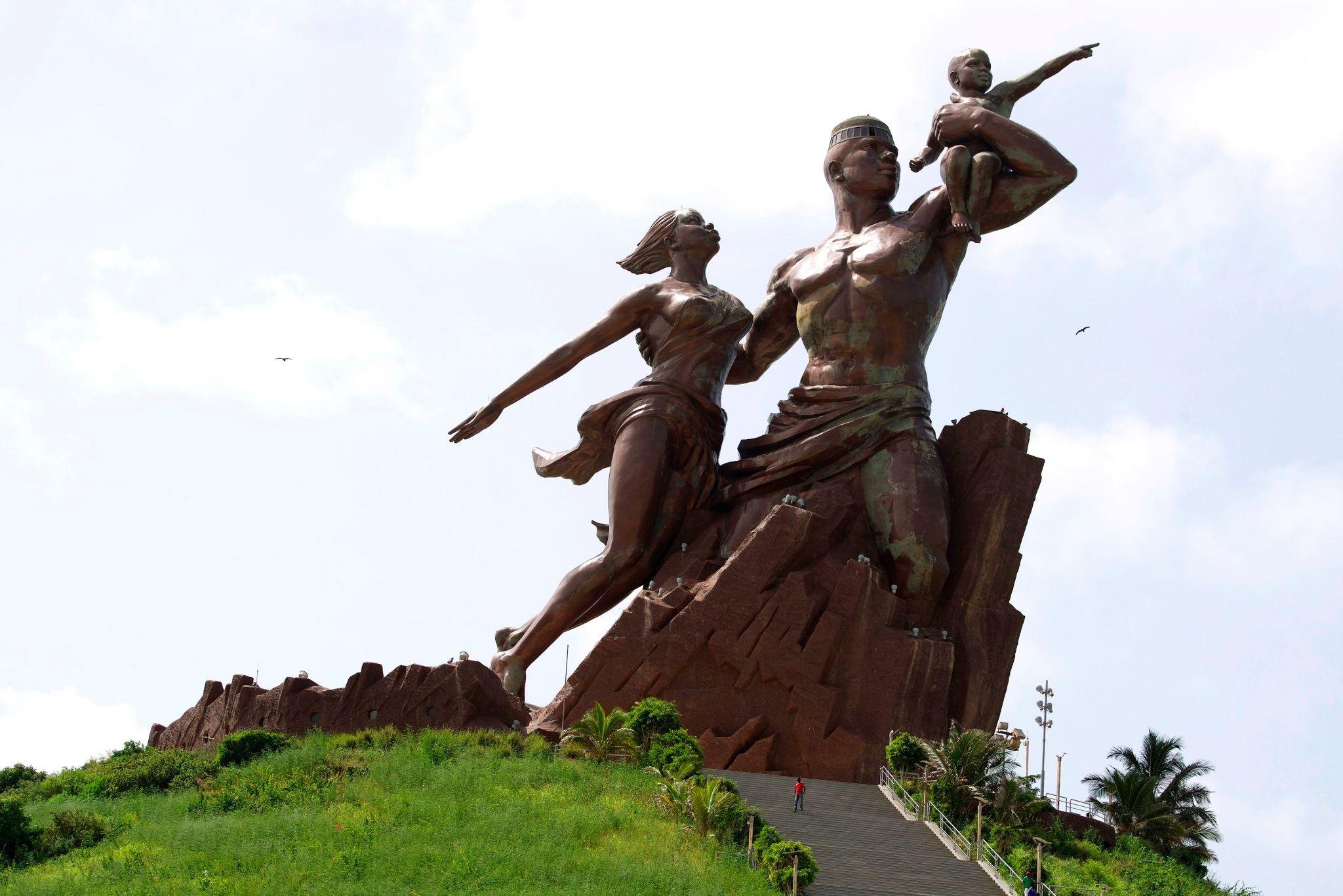
2. Senegal - Resilience & Renaissance
When people think of Senegal, they often think of Gorée Island and the Door of No Return. And yes, Gorée Island was one of the ports connected to the Atlantic slave trade. Walking through the House of Slaves forces reflection on forced migration and displacement. But Senegal’s story does not begin there.
Before European contact, the region that is now Senegal was home to powerful West African states, including the Jolof Empire and various Wolof kingdoms. These were organized societies with political systems, trade networks, and diplomatic structures. They participated in trans-Saharan trade long before European ships appeared on the Atlantic coast.
Africa was connected to global commerce centuries before colonization.
Senegal is also known for its deep Islamic scholarship and spiritual leadership.
The city of Touba, home to the Great Mosque of Touba, is one of West Africa's most important religious centers. It represents intellectual tradition, religious devotion, and African-led spiritual authority. Islam in Senegal wasn’t imposed by Europe. It spread through African networks of scholarship and trade. That history complicates oversimplified narratives about Africa.
Senegal was one of the major territories of French West Africa. Dakar became a colonial administrative center, but it also became a center of intellectual resistance. Leopold Sédar Senghor, Senegal’s first president, was a co-founder of the Negritude movement, a literary and philosophical movement that celebrated Black identity, African heritage, and pride during a time when colonialism attempted to erase it.
That pride still shapes modern Senegal.
Senegal’s cultural influence is global:
Traditional sabar drumming
Contemporary Afrobeat and mbalax music
Vibrant art scenes in Dakar
Wrestling traditions tied to pre-colonial identity
This is a country deeply aware of its heritage, and unapologetically proud of it.
Why It Matters
Senegal represents both memory and movement.
It acknowledges the pain of the slave trade, but it also reminds visitors that African societies were structured, intellectual, and powerful long before European involvement.
When you visit Senegal with awareness:
You don’t just see Gorée Island.
You see empire.
You see scholarship.
You see resistance.
You see pride.
And that perspective changes everything.
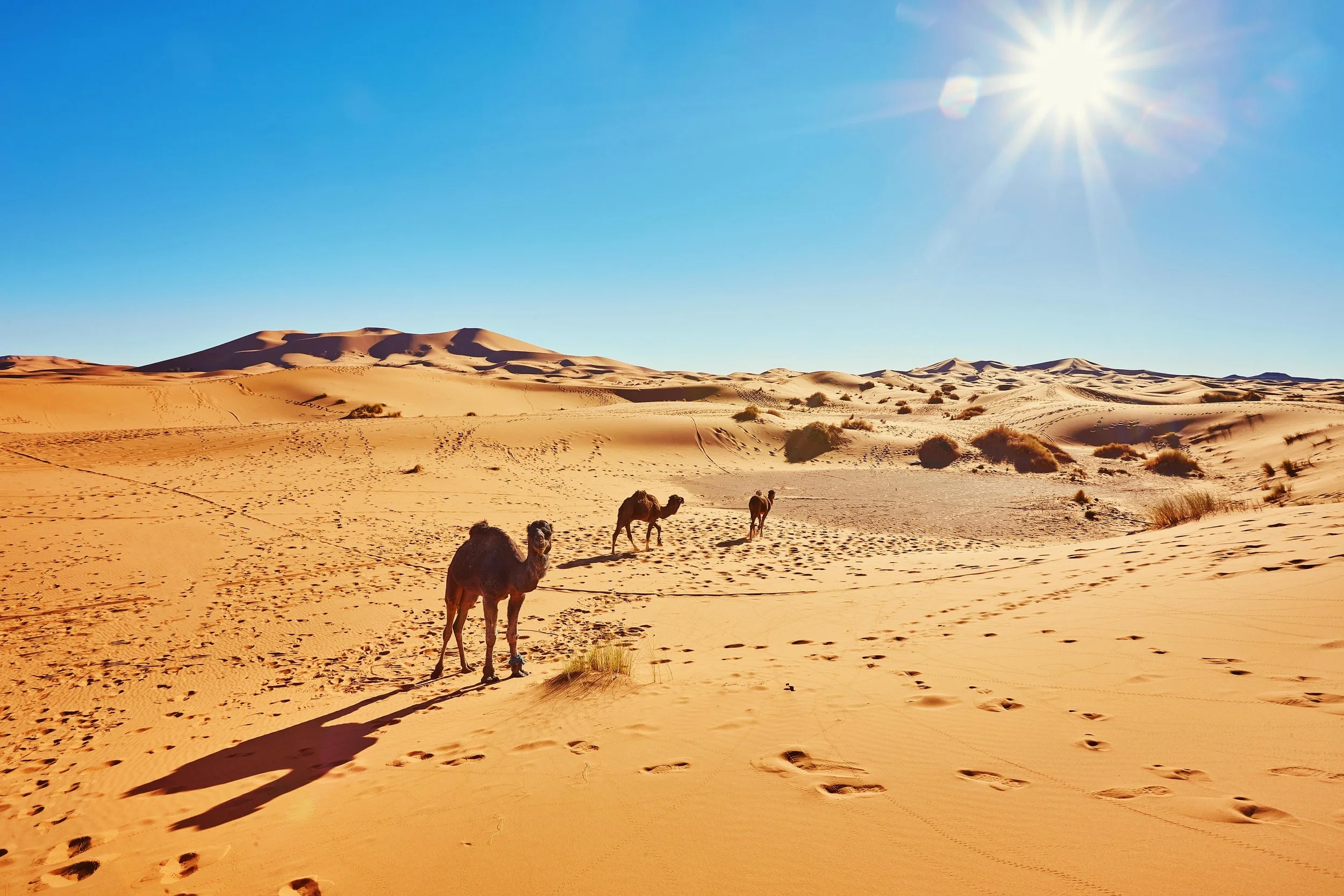
3. Morocco – Culture, Color & Luxury
Morocco is often marketed as mosaics, riads, and desert sunsets. But its history is deeply connected to the African continent. Long before European colonization reshaped global trade, Morocco was a central player in the trans-Saharan trade network, a system that connected West Africa to North Africa and the Mediterranean world. Gold, salt, textiles, and tragically, enslaved Africans, moved across the Sahara Desert through caravan routes linking cities like Timbuktu to Marrakech and Fez.
While much attention is placed on the Atlantic slave trade, North Africa was also involved in centuries of African enslavement. Enslaved Africans from regions like Mali, Niger, and Senegal were brought into Morocco through desert trade routes. Some were absorbed into households or military units; others worked in agriculture and domestic labor. This history complicates the narrative that Africa’s exploitation was only a European project. It reminds us that African history is layered and global.
One of the most visible examples of African continuity in Morocco is the Gnawa community. Descendants of enslaved West Africans, the Gnawa preserved spiritual and musical traditions rooted in sub-Saharan Africa. Their rhythmic, trance-like music blends African spiritual practices with Islamic influences. In cities like Essaouira and Marrakech, Gnawa musicians still perform, not as folklore, but as living cultural heritage. The annual Gnawa World Music Festival in Essaouira openly celebrates this history.
Black Moroccans, often referred to as Haratin or Gnawa communities, are part of Morocco’s social fabric, though their history is sometimes marginalized in mainstream tourism narratives. Understanding Morocco’s Black history adds depth to the experience. The Sahara Desert becomes more than scenery; it becomes a reminder of ancient trade routes. The music becomes memory. The architecture becomes context.
Why It Matters
Morocco challenges simplified ideas of Africa.
It shows that African identity is not confined to geography.
It stretches north.
It blends cultures.
It survives through adaptation.
When you visit Morocco with awareness, you see more than beauty.
You see centuries of movement, exchange, and resilience across the continent.
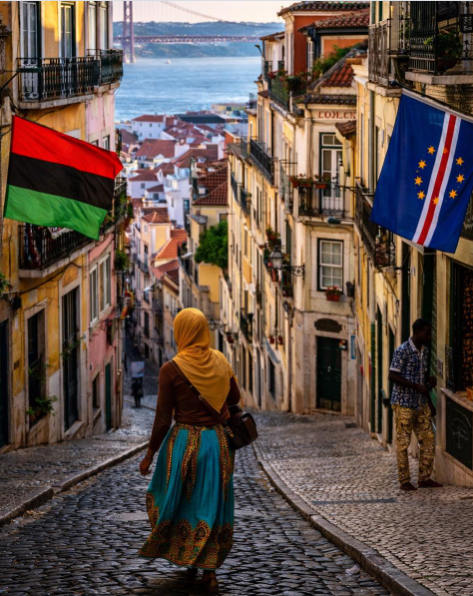
4. Portugal – Europe with Diaspora Depth
Most people don’t realize this:
Lisbon was one of the earliest and most significant European centers of the transatlantic slave trade.
By the mid-1500s, approximately 10% of Lisbon’s population was Black, both enslaved and free Africans from Benin, the Congo, and the Gold Coast.
In 1486, the Casa dos Escravos (House of Slaves) was established in the heart of the city. It functioned as a processing and auction center for enslaved Africans arriving in Portugal.
Before the Americas became the primary destination, enslaved Africans were already being bought, sold, and forced into labor in Lisbon itself.
This history is often absent from mainstream European travel conversations.
Today, visitors can explore Lisbon with a deeper awareness, walking the Alfama district, standing near the waterfront at Praça do Comércio, and learning how African presence shaped Portuguese culture, music, and identity.
Modern Lisbon is vibrant and beautiful. But beneath its tiled facades and coastal charm lies a story of African endurance, survival, and influence.
Traveling here isn’t just about pastel de nata and ocean views. It’s about understanding how deeply Africa shaped Europe — and how Black presence has always been global. Portugal’s role in global African history is significant.
In Lisbon, you’ll find Afro-Portuguese communities, museums, and conversations that connect Europe and Africa in powerful ways.
Add coastal cliffs, beautiful beaches, and incredible food, and you have a destination with depth and beauty.
Why This Matters
Portugal is often seen as charming, coastal, and easygoing.
But understanding that Lisbon was one of the earliest centers of the transatlantic slave trade changes the lens completely.
Before millions were transported to the Americas, enslaved Africans were already present in Europe — building cities, shaping culture, and contributing to economies that rarely acknowledge them.
By the 1500s, Black people made up a significant portion of Lisbon’s population. That means African presence in Europe is not new. It is not recent. It is foundational.
Recognizing this reframes travel in Europe.
It challenges the idea that Black history only exists in Africa or the Americas.
It reminds us that the African diaspora began in Europe centuries earlier than many realize.
It forces us to see African influence as global rather than peripheral.
When you walk through Lisbon with awareness, you’re not just visiting Europe.
You’re standing in one of the earliest chapters of the diaspora story.
And that understanding adds depth to the entire journey.
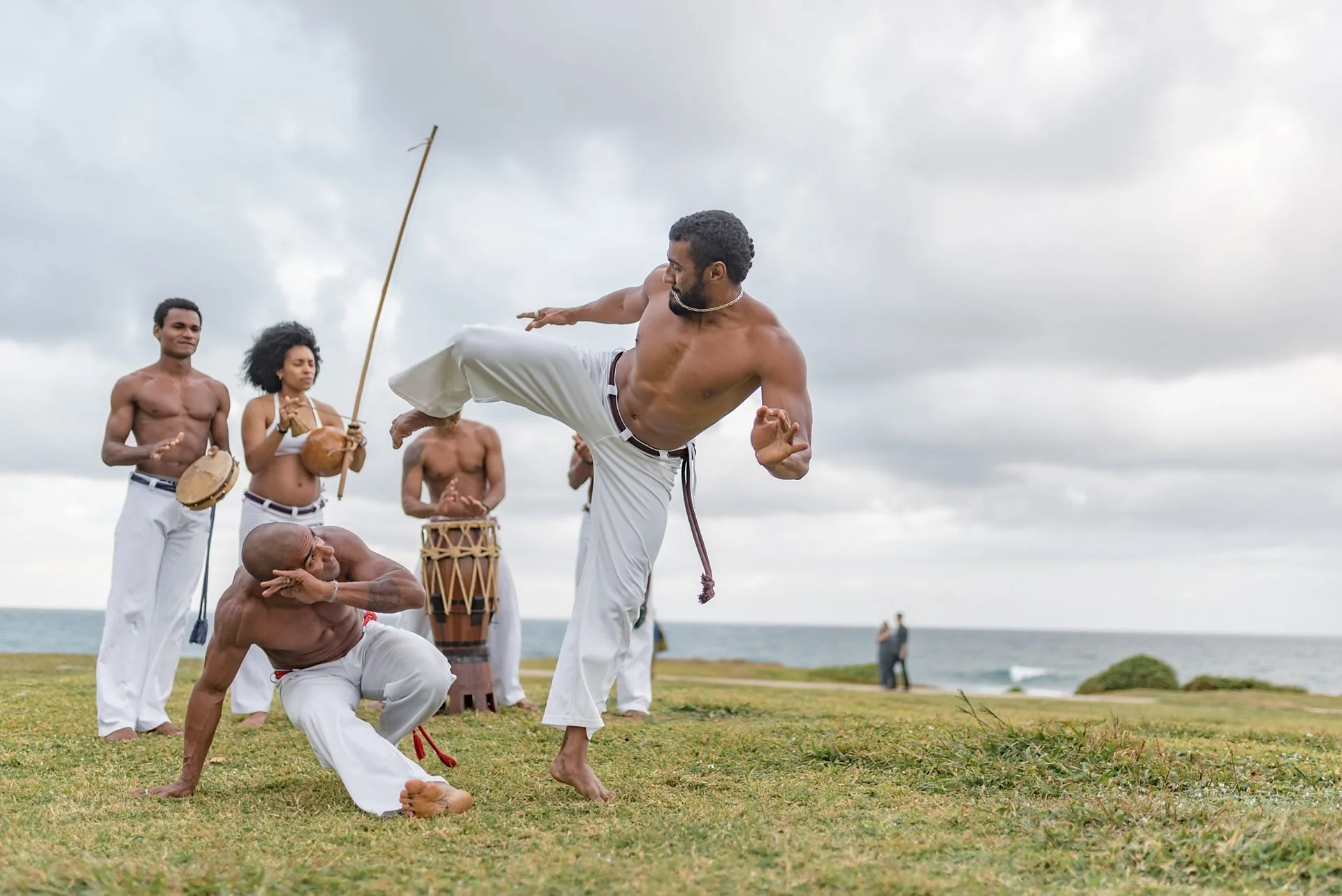
5. Rio de Janeiro, Brazil – The Largest African Diaspora Outside Africa
When people think of Brazil, they often picture Carnival, beaches, and samba.
But the real story runs much deeper.
Brazil received more enslaved Africans than any other country in the Americas — nearly five million people. By the 1800s, Rio de Janeiro had one of the largest Black urban populations in the world.
That legacy didn’t disappear. It transformed.
In Rio’s historic port district — known as Pequena África (Little Africa) — you’ll find Valongo Wharf, the primary landing site for enslaved Africans in the Americas. Almost one million people passed through this port alone. Today, it stands as a UNESCO World Heritage Site and a place of remembrance.
Just steps away is Pedra do Sal, where formerly enslaved Africans and their descendants gathered to worship, sing, and preserve traditions that authorities once tried to suppress. That gathering space would eventually give birth to samba.
To fully understand Brazil, you must explore its Black history. Visit the Museu da Historia e da Cultura Afro-Brasileira (MUHCAB) or the Instituto dos Pretos Novos, a memorial built over the burial site of enslaved Africans discovered beneath a home.
And beyond Rio, Salvador, Bahia carries some of the strongest African cultural continuity in the Americas — in religion, food, music, and daily life.
Capoeira, samba, Candomblé traditions — African roots are alive and thriving here.
Why This Matters
Afro-Brazilian culture isn’t a “subculture.”
It is Brazilian culture.
The rhythm of samba.
The art of capoeira.
The spirituality of Candomblé.
Even the flavors of traditional dishes like feijoada.
When you visit Brazil with awareness, the experience shifts. It’s no longer just about scenery — it becomes about survival, creativity, and how African heritage shaped an entire nation.
That perspective changes everything.
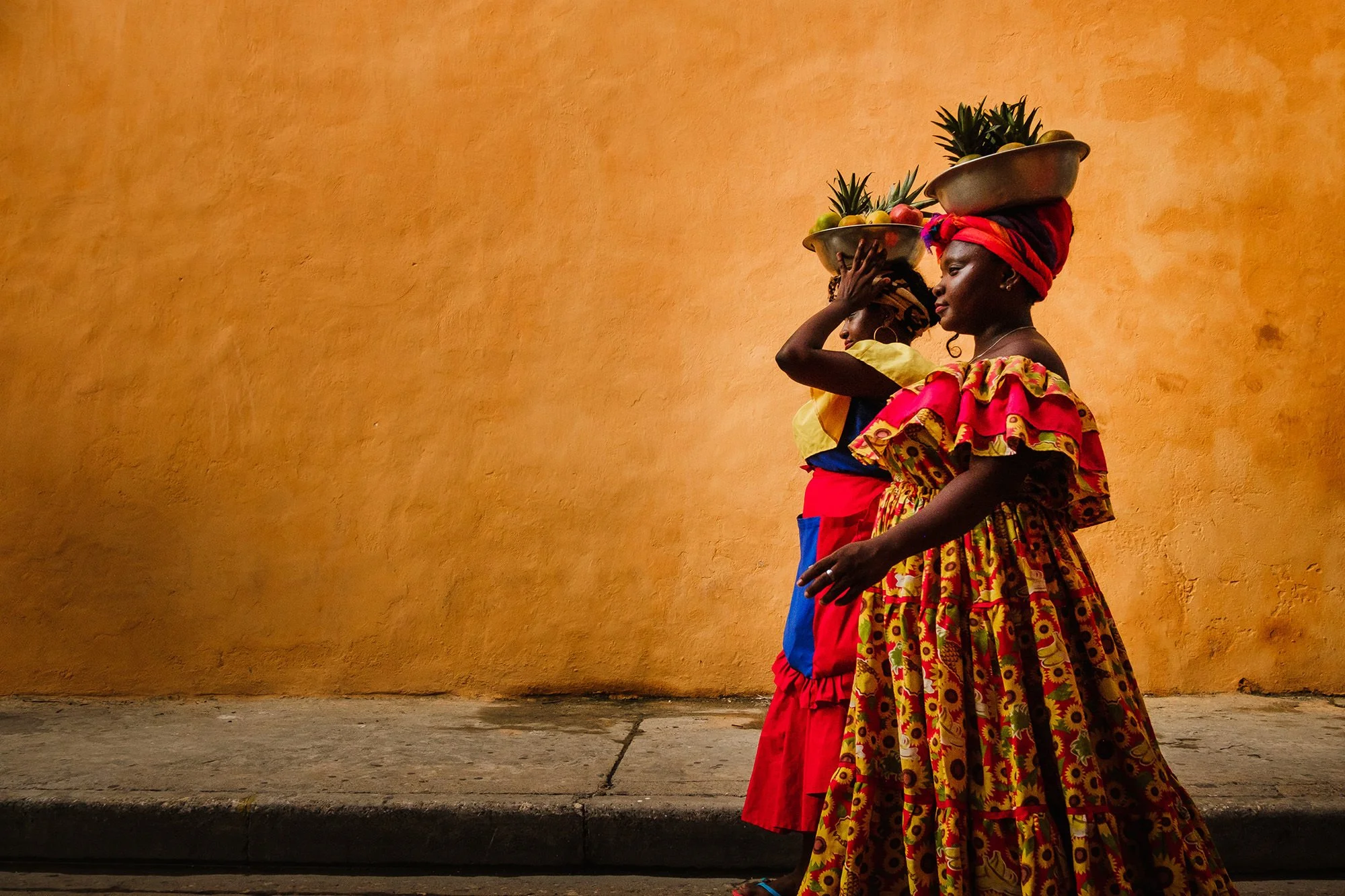
6. Cartagena, Colombia – The First Free Black Town in the Americas
Cartagena is often marketed as a place of romance, color, and Caribbean charm. But its Black history runs deep, and it is central to Colombia’s story. During the transatlantic slave trade, Cartagena became one of the principal ports for enslaved Africans entering South America. Thousands were brought through its harbor, forced into labor in mines, plantations, and cities throughout the region. Enslaved Africans were processed through this city before being dispersed throughout Spanish South America. Cartagena’s fortified walls and colonial architecture often distract from what the port once represented. The wealth generated from their forced labor helped finance the very colonial beauty visitors admire today.
Visit San Basilio de Palenque –
Just outside the city lies San Basilio de Palenque, founded in the early 1600s by Africans who escaped slavery.
Led by Benkos Biohó, formerly enslaved Africans formed independent communities called palenques — fortified villages built for protection and freedom. San Basilio de Palenque became the most successful and enduring of them.
It is recognized by UNESCO as a Masterpiece of the Oral and Intangible Heritage of Humanity.
What makes it extraordinary?
It has its own language, Palenquero, rooted in African linguistic traditions.
Cultural practices, music, and spiritual traditions have been preserved for centuries.
It stands as one of the earliest examples of Black self-governance in the Americas.
Why It Matters
Afro-Colombians have shaped Colombia’s music, cuisine, religion, and identity.
From champeta music to culinary traditions influenced by West Africa, the African imprint is everywhere.
When you visit Cartagena with awareness:
You see more than color.
You see resistance.
You see freedom carved out against impossible odds.
And that perspective transforms the trip from a vacation into a legacy experience.
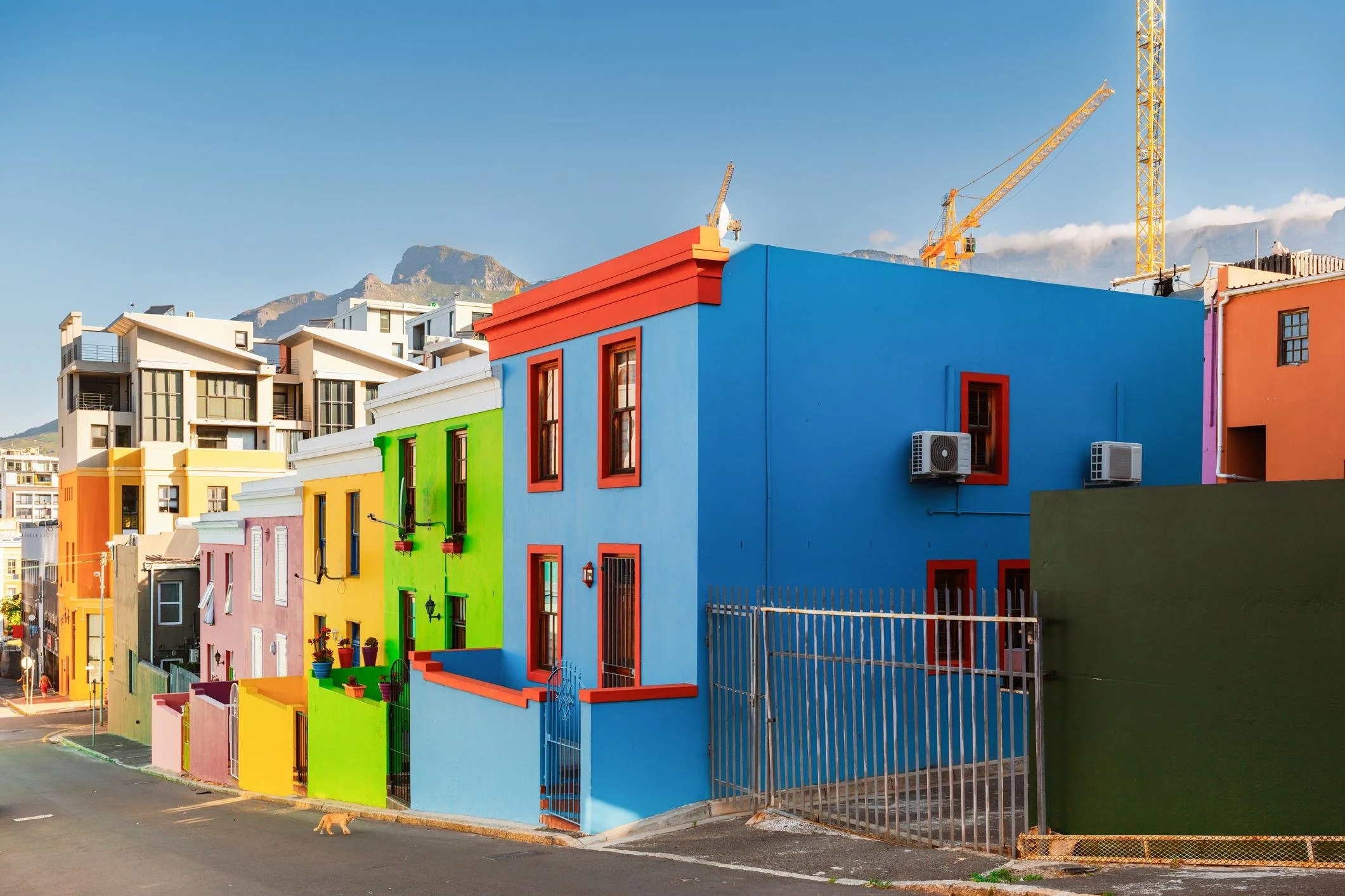
7. Cape Town, South Africa – History & Beauty
Cape Town is breathtaking. But beneath the beauty lies one of the most documented systems of racial oppression in modern history: apartheid.
From 1948 to the early 1990s, South Africa legally enforced racial segregation, controlling where Black South Africans could live, work, travel, and even exist freely. Cape Town was one of the epicenters of that system. Just off the coast sits Robben Island, the prison where Nelson Mandela was held for 18 of his 27 years in captivity. This wasn’t just incarceration — it was an attempt to silence resistance.
Instead, Robben Island became a university of liberation. Political prisoners educated one another, organized, and strengthened their vision for a democratic South Africa.
Standing in Mandela’s cell reframes everything. Freedom stops being abstract. The District Six Museum tells the story of a once-thriving, multicultural neighborhood that was declared a “white-only area” under apartheid.
More than 60,000 residents — primarily Black and Coloured families — were forcibly removed. Homes were bulldozed. Communities were dismantled. The museum preserves personal stories, photographs, and memory. It reminds visitors that apartheid wasn’t just policy — it was displacement, trauma, and generational impact.
The colorful houses of Bo-Kaap are more than Instagram-worthy backdrops. Bo-Kaap is home to descendants of enslaved people brought to the Cape from Indonesia, Malaysia, India, and parts of East Africa by the Dutch in the 1600s. The area represents cultural survival — food traditions, Islamic heritage, and language preserved despite centuries of colonial control. Cape Town’s Black history didn’t begin with apartheid. It began with colonization and slavery at the Cape.
Post-apartheid South Africa is still navigating inequality, land reform, and economic disparities rooted in centuries of systemic oppression. Understanding Cape Town’s history shifts the experience. Table Mountain becomes more than scenery. Wine country becomes more complex.
Why It Matters
Cape Town is proof that oppression can be written into law — and still be dismantled.
Apartheid wasn’t ancient history. It ended in the 1990s. That means many South Africans living today experienced legalized racial segregation in their lifetime.
Understanding this history shifts how you see the city.
Robben Island becomes more than a boat excursion.
District Six becomes more than a museum.
The beauty of the coastline becomes layered with memory.
Cape Town teaches that freedom is fragile — and hard won.
It reminds us that systemic injustice can be resisted. That leadership matters. That collective struggle can transform a nation.
And it also reveals something deeper:
Black South African culture did not disappear under apartheid. It endured. It adapted. It organized. It survived.
When you visit with awareness, you don’t just admire the scenery.
You witness resilience.
You see what rebuilding after injustice looks like.
And that perspective makes the experience more meaningful than any postcard view ever could.
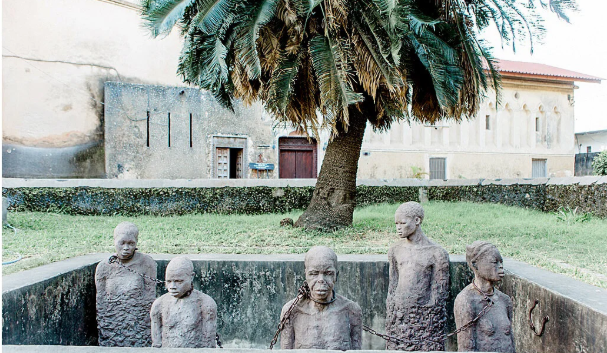
8. Zanzibar, Tanzania – Swahili Soul & Turquoise Waters
Zanzibar blends African, Arab, and Indian influences beautifully. Stone Town’s winding streets hold centuries of trade history. The beaches? Absolutely stunning.
This is where culture meets relaxation. When people talk about the slave trade, they often focus on the Atlantic.
But East Africa was also a major center of forced migration. In the 18th and 19th centuries, Zanzibar became one of the largest slave-trading hubs in the Indian Ocean world. Enslaved Africans from mainland Tanzania, Mozambique, Malawi, and Congo were brought to the island and sold into labor across the Middle East and beyond.
At the center of this history is Stone Town.
In Stone Town, you can visit the site of the former slave market, where enslaved Africans were publicly auctioned. Today, the Anglican Cathedral of Christ Church stands on that very ground. Beneath it are preserved holding chambers where men, women, and children were kept in inhumane conditions before sale. Nearby stands the Slave Market Memorial — haunting figures cast in chains, reminding visitors that this wasn’t distant history. It was a lived experience.
Yet Zanzibar is not only a place of trauma — it is also a place of cultural creation.
Swahili culture developed along this coast through the blending of African, Arab, Persian, and Indian influences. The language itself — Kiswahili — is rooted in Bantu African languages with Arabic influence.
The architecture of Stone Town reflects this intersection. So does the cuisine. So do the rhythms of taarab music.
Despite centuries of exploitation, African identity endured and adapted.
Zanzibar wasn’t only known for slavery — it was also called the “Spice Island.”
Cloves, nutmeg, cinnamon, and other spices fueled global trade. Much of this agricultural labor was performed by enslaved Africans.
Understanding this context transforms a simple spice tour into something deeper — a reminder of whose labor built global wealth.
Why It Matters
Zanzibar tells a different side of the diaspora story.
It expands the conversation beyond the Atlantic and reminds us that African displacement and resilience were global.
When you walk through Stone Town with awareness:
You see more than carved doors and turquoise water.
You see endurance.
You see cultural blending born from survival.
You see African influence stretching across oceans.
That awareness makes the trip powerful.
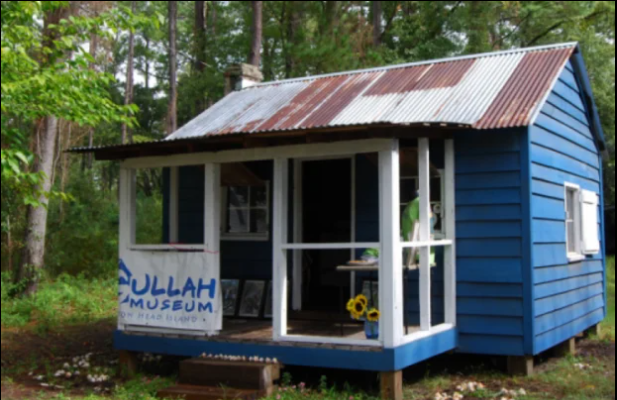
9. South Carolina – Gullah Geechee Heritage
Along the coasts of South Carolina lives one of the most culturally preserved African-descended communities in the United States.
The Gullah Geechee Cultural Heritage Corridor stretches from North Carolina to Florida. However, the Sea Islands of South Carolina — including Hilton Head, Beaufort, and Charleston — are home to the Gullah Geechee people, who hold deep Gullah roots.
During the 1700s and 1800s, South Carolina was one of the wealthiest colonies in America — largely because of rice. But rice cultivation wasn’t European knowledge. Enslaved Africans from the “Rice Coast” of West Africa (modern-day Sierra Leone, Senegal, and surrounding regions) were specifically targeted because of their agricultural expertise. Their knowledge made plantation owners wealthy. Their labor built the Lowcountry economy. Understanding that history changes how you view the marshlands and historic plantations along the coast.
The Gullah people preserved:
A Creole language rooted in West African linguistic patterns
Spiritual traditions blending Christianity and African belief systems
Foodways (okra, rice dishes, seafood stews) are deeply connected to African cuisine
Craft traditions like sweetgrass basket weaving
Despite slavery, Reconstruction, Jim Crow, and modern development pressures, this culture endured.
That continuity is powerful.
When visiting, consider sites that center the perspective of the enslaved, such as:
McLeod Plantation Historic Site, which focuses on the lives and labor of enslaved Africans
Historic churches founded by formerly enslaved communities
Local Gullah-led cultural tours in Beaufort and Hilton Head
These spaces shift the narrative from “romantic Southern charm” to honest history.
Why It Matters
South Carolina is one of the clearest examples of African cultural retention in the United States.
You can hear it in the language.
Taste it in the food.
See it in the craftsmanship.
Feel it in the community.
Visiting the Sea Islands with awareness connects West Africa to America in a tangible way.
It reminds us that African identity in the United States was never erased — it adapted, survived, and continues to thrive.
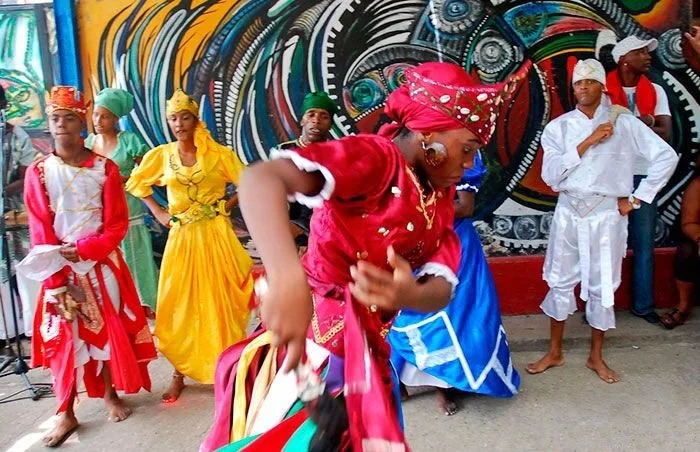
10. Havana, Cuba – Afro-Cuban Influence Everywhere
When people think of Cuba, they picture vintage cars, salsa music, and pastel buildings. But beneath the color and rhythm lies a deep African legacy. Between the 1500s and late 1800s, Cuba became one of the largest slave societies in the Caribbean. Enslaved Africans — particularly from present-day Nigeria (Yoruba), Congo, and other West and Central African regions — were forced into brutal labor on sugar plantations that fueled global wealth. By the 19th century, Havana had one of the largest enslaved populations in the Caribbean.
And yet — African culture did not disappear.
It transformed Cuba.
One of the most visible examples of African survival in Cuba is Santería, also known as Regla de Ocha. Rooted in Yoruba spirituality, Santería blended African belief systems with Catholic symbolism to survive colonial repression. Enslaved Africans masked their orishas (deities) behind Catholic saints to preserve their faith. That spiritual continuity still exists today. African drumming, rituals, and cosmology are not relics — they are living practices in Cuban life.
Rumba, son cubano, and later salsa all carry African rhythmic structure.
Neighborhoods like Centro Habana and areas near the port were historically Afro-Cuban communities where music became a form of cultural preservation.
Music wasn’t just entertainment.
It was resistance. Identity. Survival.
After abolition in 1886, Afro-Cubans continued to face discrimination. In 1912, thousands of members of the Independent Party of Color — a Black political movement advocating for racial equality — were massacred by the Cuban government.
This event is rarely discussed in mainstream travel narratives, but it’s essential to understanding race relations in Cuba.
Cuba’s revolution later promoted racial equality in ideology, but conversations around race and Afro-Cuban visibility continue today.
Why It Matters
Afro-Cuban culture is not separate from Cuban identity.
It is Cuban identity.
The rhythm of the drums.
The layered spirituality.
The cuisine.
The language patterns.
When you walk through Havana with awareness, you’re not just admiring architecture.
You’re witnessing centuries of African resilience across the Caribbean.
And that perspective changes the entire experience
The Journey Is the Destination. Travel isn’t just about beaches and pretty pictures.
It’s about:
Standing where history happened
Learning stories they didn’t teach in school
Supporting Black communities globally
Reclaiming space
Experiencing pride
This Black History Month, don’t just celebrate from home.
Travel with intention.
