

Colorful streets, beautiful architecture, incredible food, rich Black history, and unforgettable experiences. Cartagena, Colombia, has all of that and so much more!
Some destinations are beautiful in photographs, but when you experience them for yourself, you realize there's so much more to discover.
That's how I felt about Cartagena, Colombia.
I've had the pleasure of visiting this beautiful Caribbean coastal city, and let me tell you, I thoroughly enjoyed myself!
We stayed in the historic Walled City, spent time exploring its charming streets, enjoyed delicious meals at rooftop restaurants, learned about the history of African descendants in Colombia, and even had dinner inside a women's prison.
Yes, you read that correctly. A women's prison!
And if you're looking for an unusual adventure, there's also a volcanic mud bath that I recommend considering.
What made Cartagena memorable for me was the combination of culture, history, food, and experiences. It's a destination where you can enjoy yourself while also learning something meaningful about the people and their heritage.
If Cartagena has been on your travel wish list, or you've never really considered visiting Colombia, let me introduce you to a destination worth discovering.
Where Is Cartagena, Colombia?
Cartagena de Indias is a historic port city located along Colombia's Caribbean coast in South America.
It's known for its colorful colonial architecture, tropical climate, centuries-old fortifications, Caribbean cuisine, and vibrant cultural heritage.
Cartagena's history includes Indigenous communities, Spanish colonization, the transatlantic slave trade, and the contributions of African descendants who helped shape the city's identity.
Today, visitors can experience that history while enjoying beautiful accommodations, restaurants, cultural excursions, and coastal attractions.
And one of the best places to begin exploring is the historic Walled City.
Staying in Cartagena's Historic Walled City
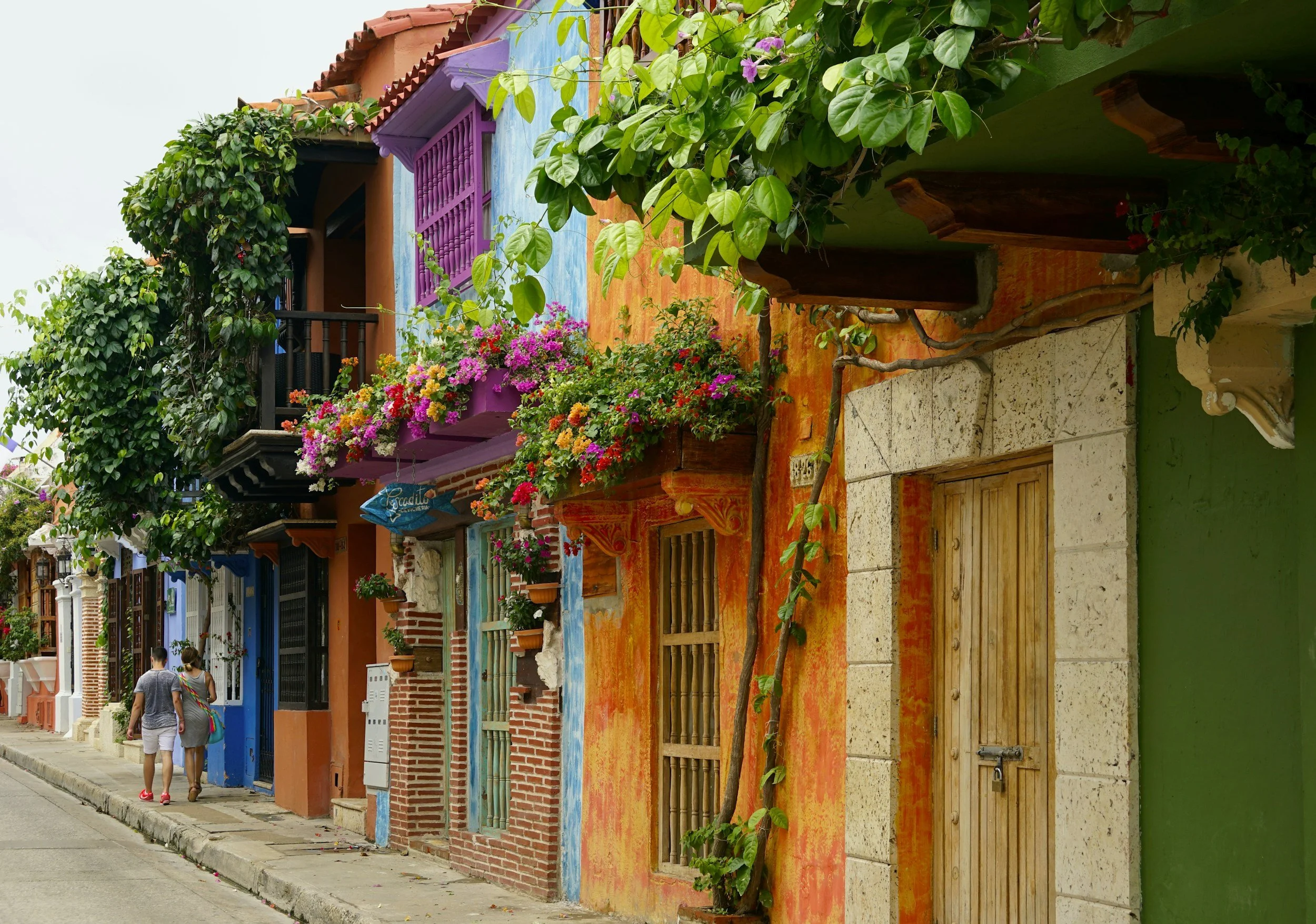
One of the decisions I'm glad we made was staying inside Cartagena's famous Walled City, also known as Ciudad Amurallada.
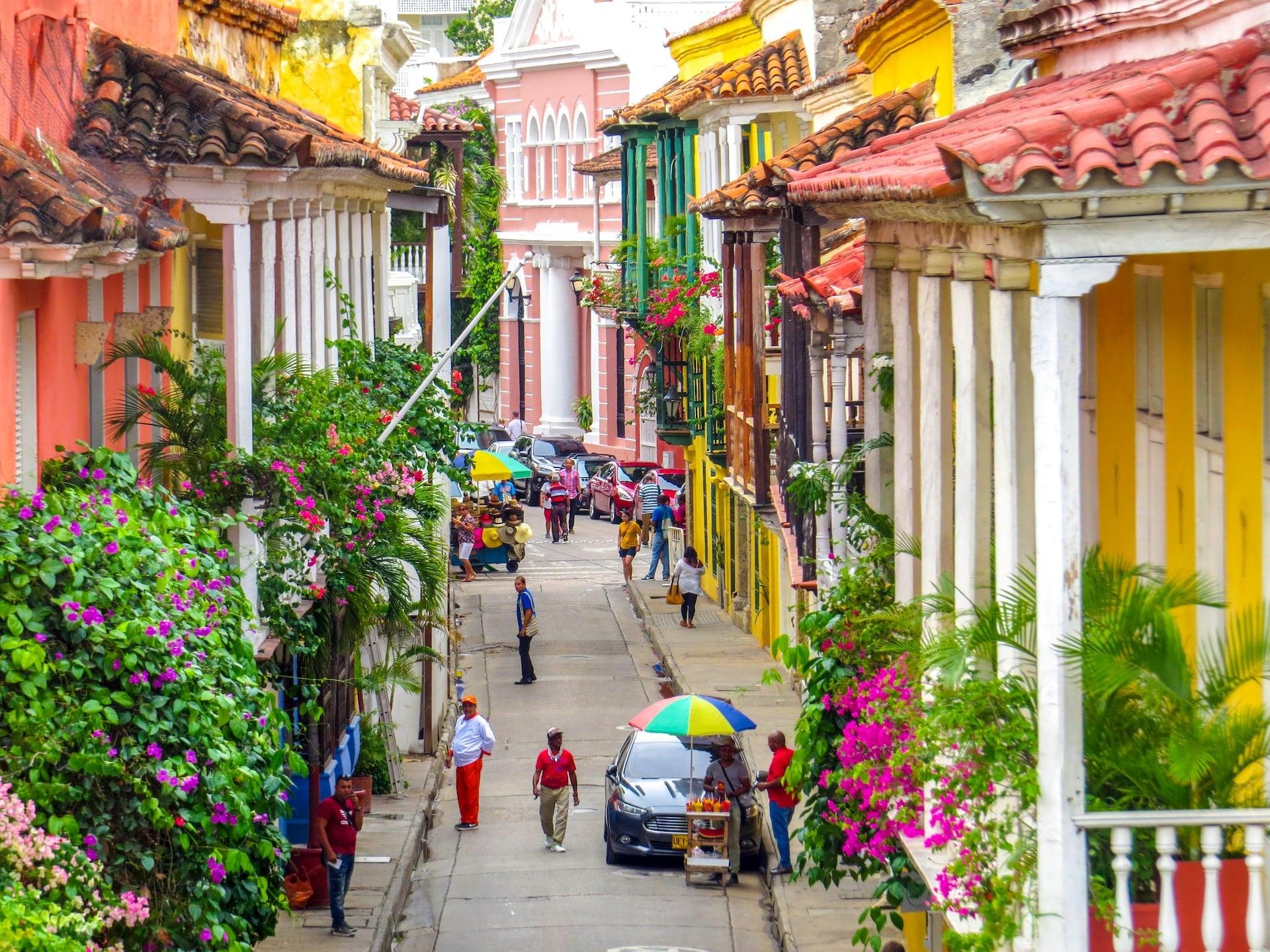
If you love historic architecture, charming streets, beautiful balconies, and restaurants within walking distance, this area deserves your attention.
The Walled City is surrounded by massive stone fortifications originally constructed during the Spanish colonial period to protect Cartagena from attacks.
Construction and expansion took place over several centuries. Today, these fortifications are part of the city's UNESCO World Heritage designation.
But what makes the area special isn't just its history.
It's the atmosphere.
We spent time hanging out in the Walled City, enjoying the surroundings, exploring, and taking in the experience.
There are beautiful buildings, lively plazas, restaurants, shops, and plenty of opportunities for photographs.
And sometimes, that's exactly what I enjoy about traveling.
Not rushing from one excursion to another, but having time to appreciate where I am.
My travel tip: If you're visiting Cartagena for the first time, consider staying in or near the Walled City. It's a convenient location for sightseeing, restaurants, and experiencing the city's historic atmosphere.
Keep in mind that some streets have uneven surfaces and certain historic accommodations may have stairs instead of elevators.
The Walled City
Cartagena's Black History: A Story Worth Knowing
One of the things I believe makes travel meaningful is learning about the history and culture of the people who call a destination home.
And Cartagena has an important history that connects directly to the African diaspora.
During the Spanish colonial period, Cartagena became one of the major ports through which enslaved Africans were brought into South America.
Although this is a painful part of history, it's also important to recognize the resistance, survival, and cultural contributions of African descendants.
Their influence remains visible in the region's music, food, traditions, language, and cultural identity.
One of the most meaningful ways to learn more about this history is by visiting San Basilio de Palenque.
Our Visit to San Basilio de Palenque
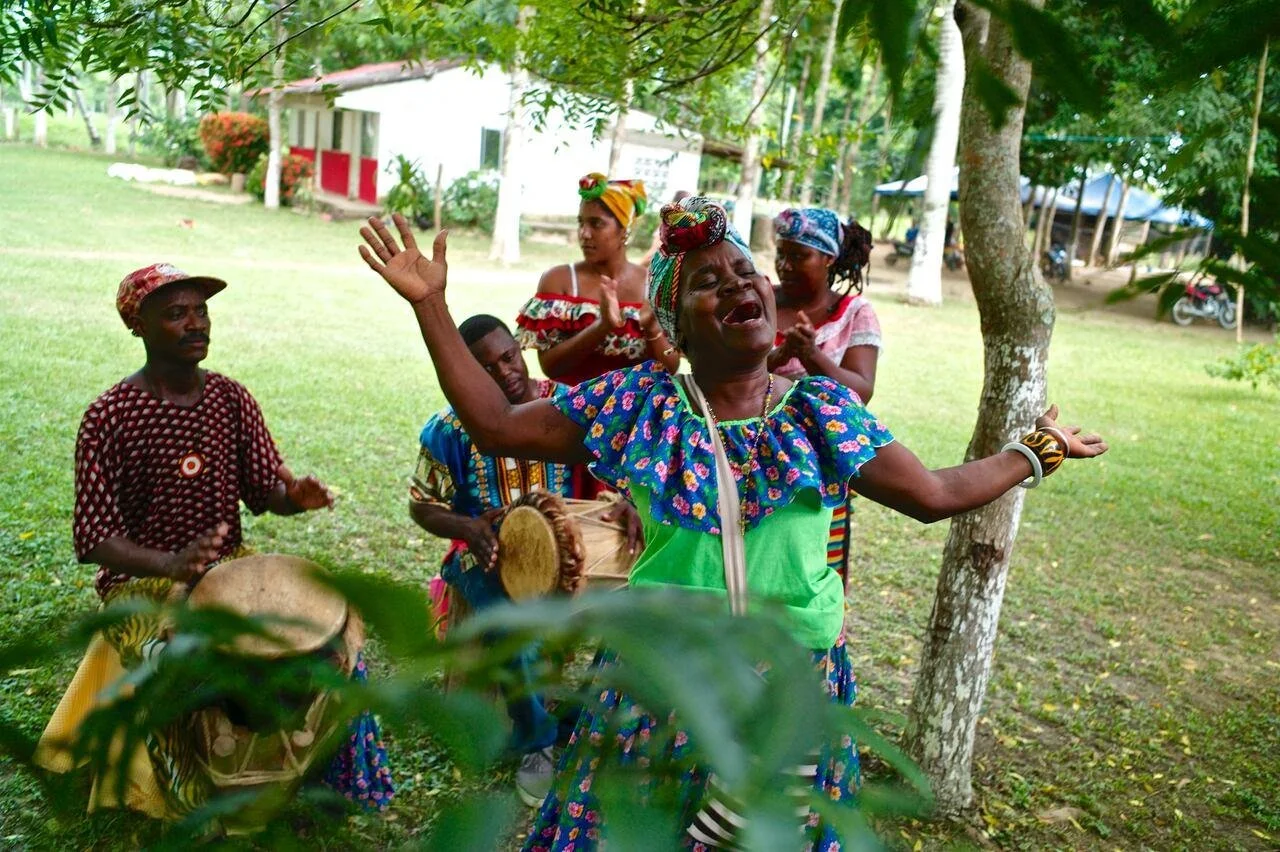
During our trip, we participated in a Palenque tour.
San Basilio de Palenque is a historic Afro-Colombian community located southeast of Cartagena.
Its origins are connected to Africans who escaped slavery and established independent communities known as palenques.
San Basilio de Palenque is widely recognized as one of the earliest surviving free Black communities in the Americas.
The community has preserved important African-rooted traditions, including music, oral history, cultural practices, and its own language, Palenquero.
Its cultural heritage has been recognized by UNESCO.
For travelers interested in Black history, this is an experience I highly recommend researching.
Palenque tells an important story about freedom, resistance, identity, and the determination of people to preserve their culture.
As a traveler, I appreciate experiences that allow me to learn something beyond what I might find in a typical tourist brochure.
My travel tip: If you visit Palenque, consider booking a tour led by members of the local community. It provides an opportunity to learn directly from the people preserving this history and helps support the community economically.
A Dinner Unlike Any Other: Eating Inside a Women's Prison
Now, here's an experience that may surprise you.
During our Cartagena vacation, we actually had dinner inside a women's prison!
It wasn't an ordinary restaurant, and that's what made the experience so interesting.
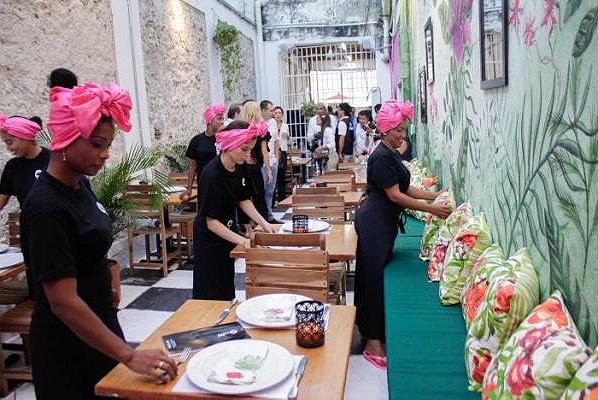
We visited Restaurante Interno, a restaurant that operated inside Cartagena's San Diego Women's Prison.
The restaurant was created as a social initiative to provide incarcerated women with opportunities to develop culinary and hospitality skills.
The women participated in preparing and serving meals, gaining valuable work experience that could help them prepare for life beyond incarceration.
I love discovering experiences that have a purpose beyond the usual tourist attractions.
Dining at Restaurante Interno was one of those experiences.
It demonstrated how food, hospitality, and tourism could become part of an initiative focused on opportunity and reintegration into society.
When people think about vacation dining, they often picture beautiful restaurants, waterfront settings, and luxurious experiences.
And don't get me wrong, I enjoy those things, too!
But sometimes the most memorable experiences come from visiting places that introduce you to a different perspective.
Restaurante Interno is an example of that.
Important update: Restaurante Interno's original Cartagena location is now listed as permanently closed. Although future visitors may not be able to experience this particular restaurant, I wanted to share it because it was part of our Cartagena journey and an example of socially meaningful tourism.
Cartagena's Rooftop Restaurants: The Food Was Delicious!
Now, let's talk about another part of Cartagena that I thoroughly enjoyed.
The food!
We visited several rooftop restaurants during our stay in the Walled City, and I can tell you that we enjoyed everything we ate.
I wish I could remember the names of all the restaurants because I would certainly share them!
But what I do remember is how much we enjoyed the combination of good food and beautiful surroundings.
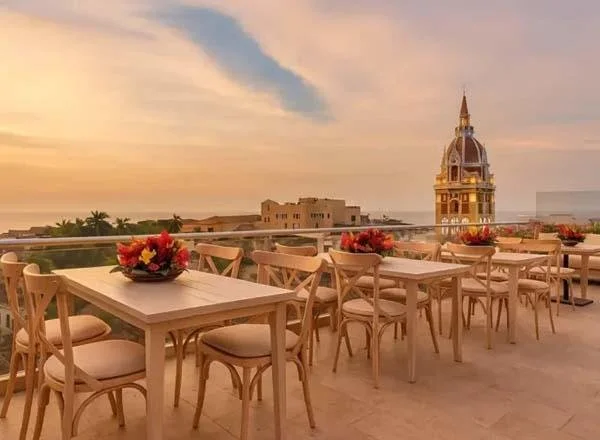
Rooftop dining is popular in Cartagena, and it's easy to understand why.
Imagine sitting above the historic streets, overlooking colorful buildings and church towers, enjoying a delicious meal while the city comes alive around you.
Whether you're traveling as a couple, with friends, or celebrating a special occasion, I recommend adding a rooftop dining experience to your Cartagena itinerary.
What Foods Should You Try in Cartagena?
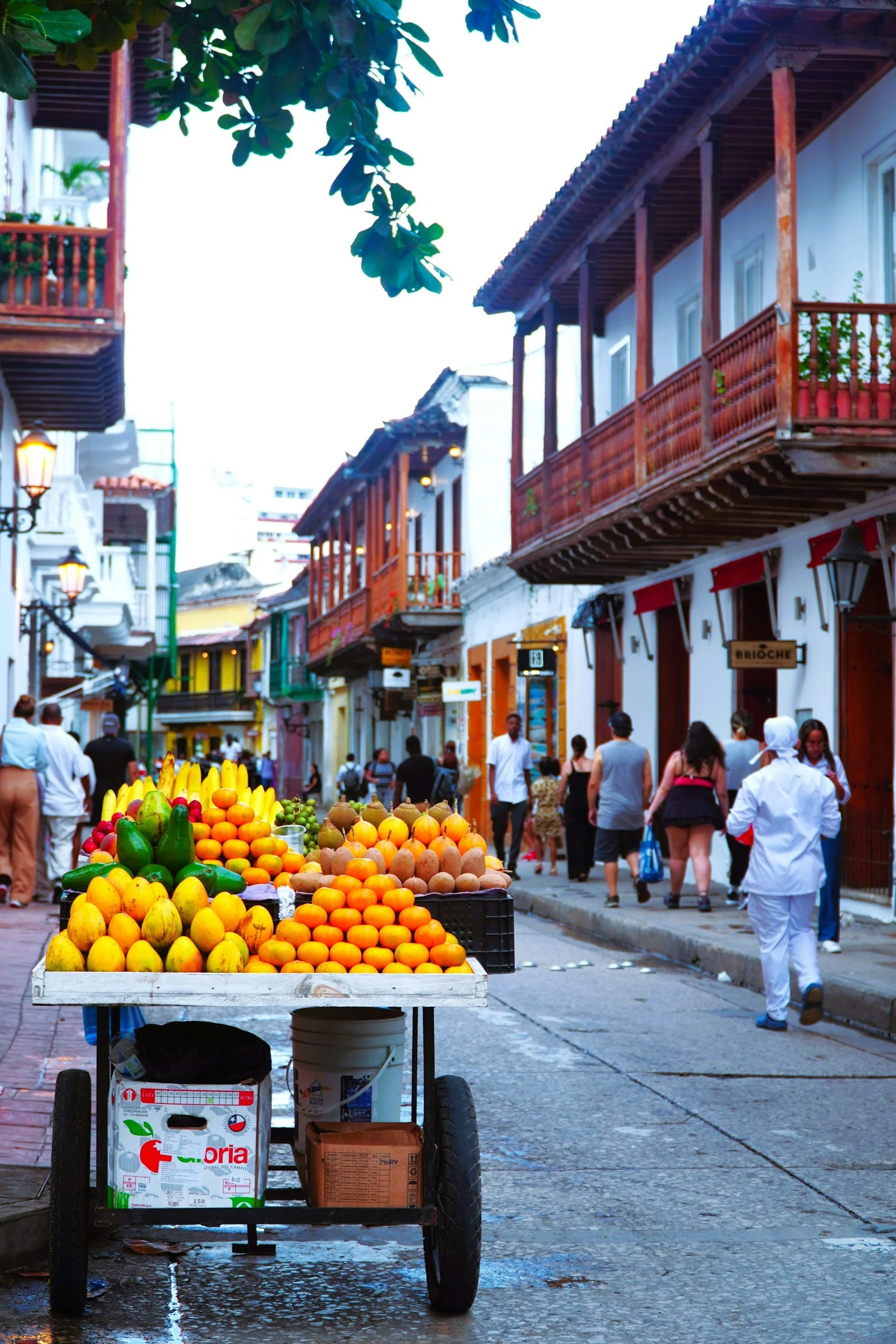
Cartagena's cuisine reflects the flavors of Colombia's Caribbean coast, with influences from African, Indigenous, and Spanish culinary traditions.
A few dishes worth trying include:
Pescado frito: Fried fish, often served with coconut rice and plantains.
Arroz con coco: Flavorful coconut rice that's popular throughout Colombia's Caribbean region.
Patacones: Fried green plantains, often served as a side dish.
Arepa de huevo: A fried corn arepa filled with egg.
Cazuela de mariscos: A rich seafood stew.
Fresh tropical fruit: Mango, pineapple, papaya, and other locally available fruits.
One thing I encourage travelers to do is experience the food of the destination they're visiting.
You don't have to try everything, but don't miss an opportunity to discover a new favorite dish!
My travel tip: For rooftop restaurants, consider reserving a table around sunset. Some popular locations may have minimum spending requirements, specific dress codes, or different seating areas.
Something Different: Cartagena's Volcanic Mud Bath
If you enjoy doing something a little unusual during your vacation, here's another experience I recommend looking into.
The El Totumo Mud Volcano!
This is definitely not your typical spa experience.
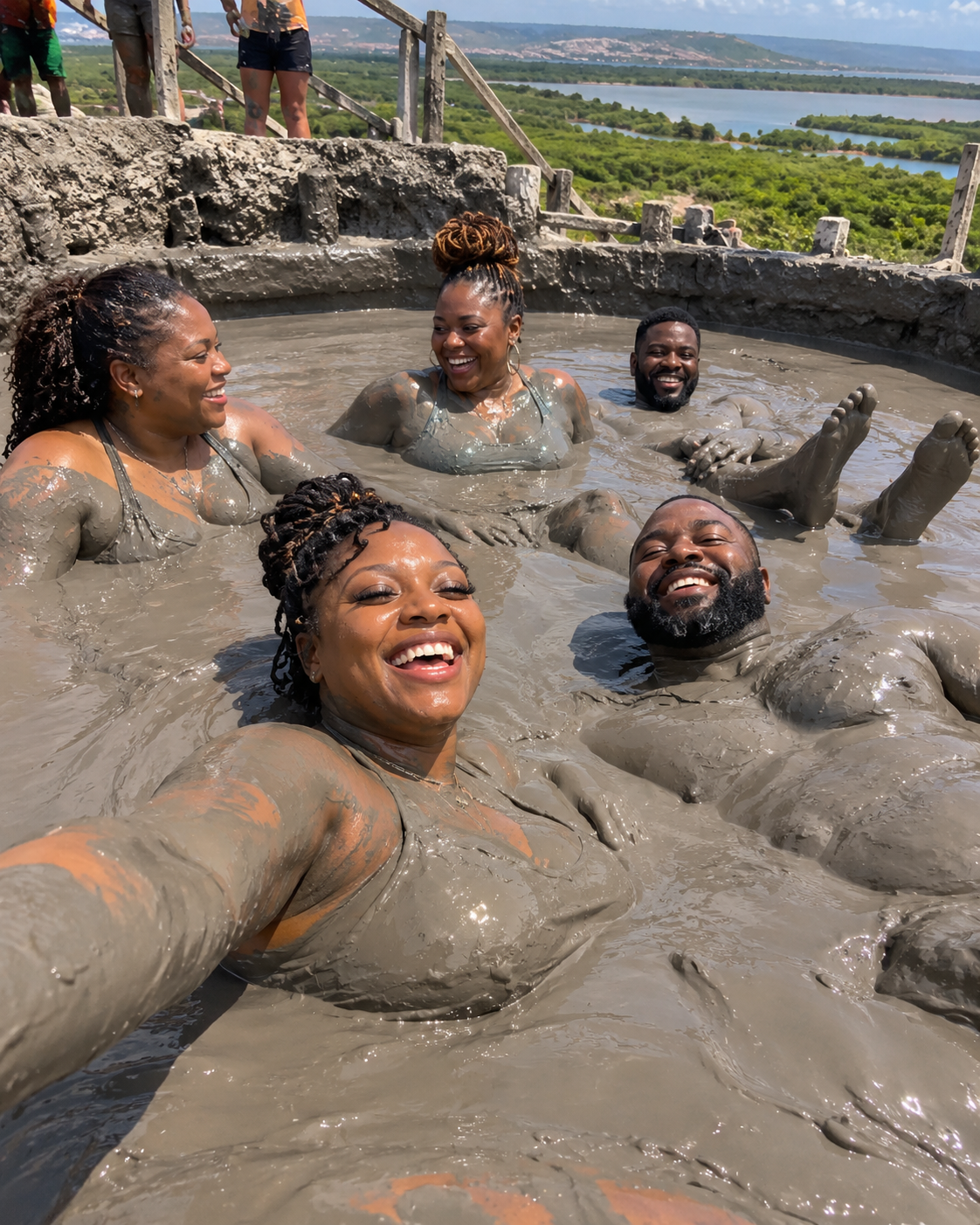
Located outside Cartagena, El Totumo is a small mud volcano where visitors can enter a basin filled with thick volcanic mud.
Because of the mud's density, your body floats more easily than it would in ordinary water.
After the experience, visitors rinse off before changing into clean clothing.
It's a unique experience and certainly something different from spending the day at the beach or exploring the city.
What Should You Know Before Visiting?
First, expect to get muddy!
Wear a swimsuit you don't mind getting dirty and bring a towel, change of clothes, and suitable footwear.
You should also be aware that accessing the mud bath involves climbing stairs or ladders and navigating potentially slippery surfaces.
Before booking, ask the tour operator about current operating conditions, cleanliness, transportation, accessibility, and whether additional tips or service charges are expected.
Travelers with mobility concerns or certain medical conditions should check whether the activity is appropriate for them.
My travel tip: If you enjoy unique activities and creating fun vacation memories, the mud volcano may be worth adding to your itinerary. Just be sure you're comfortable with the physical requirements and getting completely covered in mud.
Other Things to Do in Cartagena
Although I'm sharing the experiences that stood out during my visit, first-time travelers may want to explore several other attractions.
Castillo San Felipe de Barajas
This historic fortress overlooks parts of Cartagena and lets visitors learn about the city's colonial military history.
Getsemaní
Just outside the main Walled City, Getsemaní is known for colorful street art, restaurants, music, and its strong neighborhood identity.
A cultural walking tour is a great way to learn about the community's history.
Rosario Islands
For travelers who want to include a beach or island experience, the Rosario Islands offer opportunities for boat excursions, swimming, and relaxing by the Caribbean Sea.
Be sure to choose a reputable tour operator and confirm weather and boating conditions before departure.
First-Time Traveler FAQs: What You Should Know Before Visiting Cartagena
1. When Is the Best Time to Visit Cartagena?
Cartagena has a warm tropical climate throughout the year.
December through April is generally considered the drier season and is popular for sightseeing and outdoor activities.
May through November typically brings more rainfall, although travelers can still enjoy their visits during this period.
Keep in mind that holiday periods may bring larger crowds and higher accommodation prices.
2. How Many Days Do You Need in Cartagena?
I would recommend considering at least four to five days for a first visit.
That provides time to explore the Walled City, experience the restaurants, and participate in a few excursions.
If you want to include Palenque, the mud volcano, and an island excursion, consider five to six days so you don't feel rushed.
3. Where Should First-Time Visitors Stay?
Based on my experience, I would definitely recommend considering the Walled City.
I loved staying there because of the atmosphere and the convenience of being near restaurants and attractions.
However, other areas may appeal to different types of travelers.
Walled City: Great for history, restaurants, boutique hotels, and sightseeing.
Getsemaní: Popular for street art, cultural experiences, restaurants, and a lively social atmosphere.
Bocagrande: Known for modern hotels, high-rise accommodations, shopping, and access to urban beaches.
Your ideal location depends on the type of vacation you're planning.
4. Is Cartagena Expensive?
Cartagena can accommodate different travel budgets.
Luxury hotels, private tours, upscale dining, and premium excursions can increase your expenses.
However, there are also more affordable accommodations, casual restaurants, and shared tours.
Traveling outside the busiest seasons may help reduce certain costs.
5. Do You Need to Speak Spanish?
Spanish is Colombia's official language.
Some tourism professionals speak English, particularly in popular visitor areas, but it isn't guaranteed everywhere.
Learning a few basic Spanish phrases can make your experience easier and more enjoyable. Tighten up your Spanish with Duolingo.
6. What Currency Is Used in Colombia?
Colombia uses the Colombian peso (COP).
Credit and debit cards are accepted at many establishments, but carrying some local currency is helpful for smaller purchases.
Always confirm prices and the currency being charged before paying.
7. What Should You Pack for Cartagena?
Cartagena is typically hot and humid, so lightweight, breathable clothing is ideal.
Comfortable walking shoes are especially important for exploring the historic streets.
Bring sunscreen, sunglasses, a hat, insect repellent, and swimwear.
And if you're planning rooftop dinners, pack a few comfortable but stylish evening outfits!
8. Do Americans Need a Visa to Visit Cartagena?
U.S. citizens generally do not need a tourist visa for visits of 90 days or less, subject to Colombia's entry requirements.
Travelers must have a valid passport and should verify any immigration forms or additional entry requirements before departure.
9. Is Cartagena Safe for Tourists?
As with any international destination, safety should be part of your planning process.
Colombia has areas with different security concerns, and travelers should review current travel advisories before booking.
Use reputable transportation providers, stay aware of your surroundings, avoid displaying expensive jewelry or large amounts of cash, and be cautious with food and drinks in public settings.
Travel insurance is also worth considering.
Who Would Enjoy Cartagena?
One thing I appreciate about Cartagena is that it offers experiences for several types of travelers.
History lovers: Visitors interested in colonial history, museums, historic architecture, and the African diaspora.
Cultural explorers: Travelers who enjoy learning about local traditions, communities, music, and heritage.
Foodies: Anyone who loves discovering restaurants and trying local cuisine.
Couples: Partners looking for charming accommodations, romantic dinners, and memorable shared experiences.
Friends' getaways: Groups who enjoy good food, sightseeing, music, and fun.
Adventure seekers: Travelers interested in unusual excursions, boat trips, and activities such as the mud volcano.
And you don't have to choose just one travel personality!
Cartagena offers opportunities to combine several interests into one memorable vacation.
Final Thoughts: Would I Visit Cartagena Again?
Absolutely!
I thoroughly enjoyed my time in Cartagena, Colombia.
Staying in the Walled City gave us the opportunity to enjoy the historic atmosphere, explore the streets, and dine at some wonderful rooftop restaurants.
Our Palenque tour provided an opportunity to learn about an important part of Black history and the African diaspora.
Dinner inside the women's prison was another memorable experience that demonstrated how tourism and hospitality can serve a greater purpose.
And the volcanic mud bath added a little adventure to the experience.
For me, Cartagena offered a wonderful combination of culture, history, food, and discovery.
And that's what I love about traveling.
It's not simply about checking another destination off a bucket list.
It's about experiencing new places, learning something along the way, and returning home with stories worth sharing.
Now, I want to hear from you!
Have you ever visited Cartagena, Colombia?
If so, what did you enjoy most?
And if you've never been, which experience would you want to try first: exploring the Walled City, learning about Black history in Palenque, dining at a rooftop restaurant, or taking a volcanic mud bath?
Share your thoughts in the comments!
Destination & Travel Junkies
Where Your Journey Becomes a Story to Tell.
